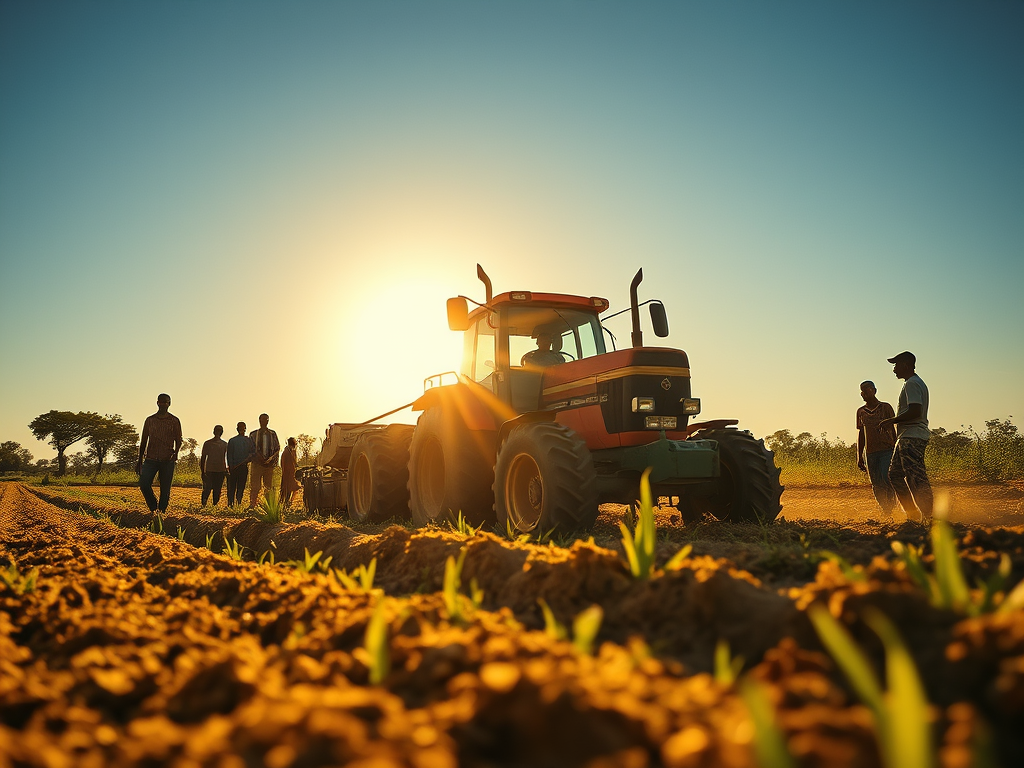
In Africa’s rapidly expanding agricultural sector, the need for efficient land preparation services has become a vital, high-demand niche. For farmers, clearing, tilling, leveling, and soil conditioning lay the foundation for successful crop growth. However, many farmers across Nigeria and other African countries lack the machinery, expertise, and labor resources required for optimal land preparation. This gap opens a profitable opportunity for investors to step in, providing land preparation as a specialized, standalone business. Here’s what you need to know to start a profitable land preparation venture, from essential requirements and income potential to risks and mitigation strategies.
Introduction: What It Takes to Launch a Land Preparation Business
Launching a land preparation business requires significant planning, particularly when considering equipment, workforce, and understanding the seasonal and regional demand for services. To succeed, your business must provide reliable, efficient services that help farmers increase their yield and reduce labor costs. Let’s look at what you’ll need to set up and operate a land preparation business in Africa.
Key Requirements to Start a Land Preparation Business
A land preparation business needs the right mix of equipment, trained personnel, and logistics to deliver consistent, high-quality services. Here’s a breakdown of the essential requirements:
- Equipment and Machinery
- Primary Machinery: For land clearing, tillage, and soil conditioning, the business requires tractors, plows, disc harrows, rotary tillers, and sometimes excavators. These machines are the backbone of any land preparation service and need to be in good working order to meet client demands effectively.
- Specialized Tools: In addition to tractors and tilling equipment, tools for specific tasks, such as soil testing kits and irrigation setup, are highly beneficial. Soil testing equipment allows you to analyze the soil’s nutrient content and pH level, giving farmers essential information to enhance crop health.
- Transport Vehicles: Moving heavy equipment to and from job sites requires reliable trucks and trailers, especially if your clients are located in rural or remote areas. Proper logistics are vital for meeting deadlines and maintaining client satisfaction.
- Labor and Training Needs
- Skilled Operators: The operators for machinery should be well-trained in land preparation techniques and machinery operation to ensure efficiency and safety. Operators should be familiar with both routine tasks and specialized requests, such as soil conditioning and erosion control.
- Agronomic Expertise: Staff with agronomic knowledge can add value by providing tailored soil preparation solutions based on specific crop needs. Agronomists can also interpret soil tests, helping farmers with fertilization strategies that will improve yield.
- Logistics and Transportation
- Efficient Movement of Equipment: Timely transport of equipment is crucial in meeting the planting schedules of your clients. Proper logistical planning allows for the quick setup of operations and minimizes downtime.
- Service Coverage Plan: Having a structured plan to cover various farming communities ensures that you’re reaching all potential clients, from small-scale farmers to large agricultural cooperatives.
- Permits and Compliance
- Registering the business as a legitimate agricultural service provider is crucial for operational legality. Ensure compliance with local and national environmental regulations, especially if the work involves clearing land in sensitive ecological areas. Following local guidelines will protect your business from legal issues and build trust with clients.
Revenue Streams and Income Potential
A land preparation business can generate income through diverse services, adaptable pricing models, and targeted client acquisition. Here are the primary revenue streams:
- Service Options
- Basic Packages: Offering essential services such as land clearing, tilling, leveling, and harrowing allows you to serve a wide range of clients. Farmers with smaller plots often seek these basic services, and rates can range from $100 to $300 per hectare depending on the soil condition and equipment required.
- Comprehensive Land Preparation: For larger farms or commercial ventures, you can offer full-service packages that include soil testing, soil amendment recommendations, and drainage setup. These comprehensive packages have higher rates, typically ranging from $400 to $800 per hectare, as they involve additional equipment and specialized expertise.
- Flexible Pricing Structures
- Per-Hectare Fees: Pricing based on the area of land allows flexibility and accessibility for both smallholder farmers and large-scale operations. It’s common to have tiered pricing, where large tracts of land enjoy discounted rates, encouraging larger contracts.
- Add-On Services: Value-added services such as soil testing, pH adjustment, and erosion control provide an additional revenue stream. Farmers are often willing to pay more for these services due to the direct impact on yield quality.
- Client Acquisition
- Targeting Cooperatives and Agribusinesses: Agricultural cooperatives and agribusiness firms usually operate on a larger scale and have a need for consistent land preparation services. Securing contracts with these organizations ensures a steady income stream.
- Government Contracts: Some government initiatives promote agriculture and may provide funding or contracts for land preparation services, particularly in areas focused on increasing local food production. Winning these contracts can stabilize revenue and provide repeat business opportunities.
- Calculating Return on Investment (ROI)
- Initial Investment Breakdown: Starting a land preparation business requires upfront costs for machinery, training, and operational setup, typically ranging from $50,000 to $100,000 depending on the scale of your operation.
- Revenue Potential: With per-hectare fees and consistent demand, annual revenue for an established business could reach $150,000–$300,000, especially with larger contracts and government partnerships.
- ROI Timeline: Most land preparation businesses can achieve profitability by the second or third year as they establish a client base, build a reputation, and expand services.
Risk Factors and Mitigation Strategies
Despite its potential, the land preparation business has risks. Understanding these risks and preparing mitigation strategies is essential for long-term success.
- Machinery Maintenance Costs
- Risk: Land preparation equipment undergoes heavy usage and requires frequent maintenance, which can be costly.
- Mitigation: To manage these costs, create a maintenance fund and consider leasing some equipment. Additionally, negotiate service contracts with equipment suppliers for routine maintenance at a reduced cost.
- Seasonal Variability
- Risk: Farming is seasonal, and demand for land preparation services fluctuates with planting cycles.
- Mitigation: To maintain cash flow, consider offering discounted services during off-peak seasons. Expanding services to different regions can also help manage the impact of seasonality, ensuring year-round demand.
- Education and Outreach
- Risk: Some farmers may not fully understand the benefits of professional land preparation, leading to hesitation in hiring external services.
- Mitigation: Conduct educational outreach programs and offer trials or discounted services for first-time clients to showcase the advantages. Establishing trust and delivering reliable, high-quality services will also help in gaining long-term clients.
- Competition and Market Saturation
- Risk: The agricultural sector may attract other land preparation businesses, especially as its profitability becomes widely recognized.
- Mitigation: Differentiate your business by offering specialized services like soil testing, erosion control, and irrigation layout. Building a reputation for reliability, efficiency, and competitive pricing will help secure a loyal client base even as competition grows.
Conclusion: The Path to Profitability in Land Preparation
Starting a land preparation business in Africa requires careful planning, a significant upfront investment, and a strategy for client acquisition. But with rising demand for agriculture and land preparation services, the potential for profitability is substantial. Offering specialized services, maintaining a high standard of work, and understanding the unique needs of African farmers can lead to high returns and a growing client base. For investors ready to support Africa’s agriculture while achieving significant financial gain, a land preparation business is a worthwhile and impactful investment.