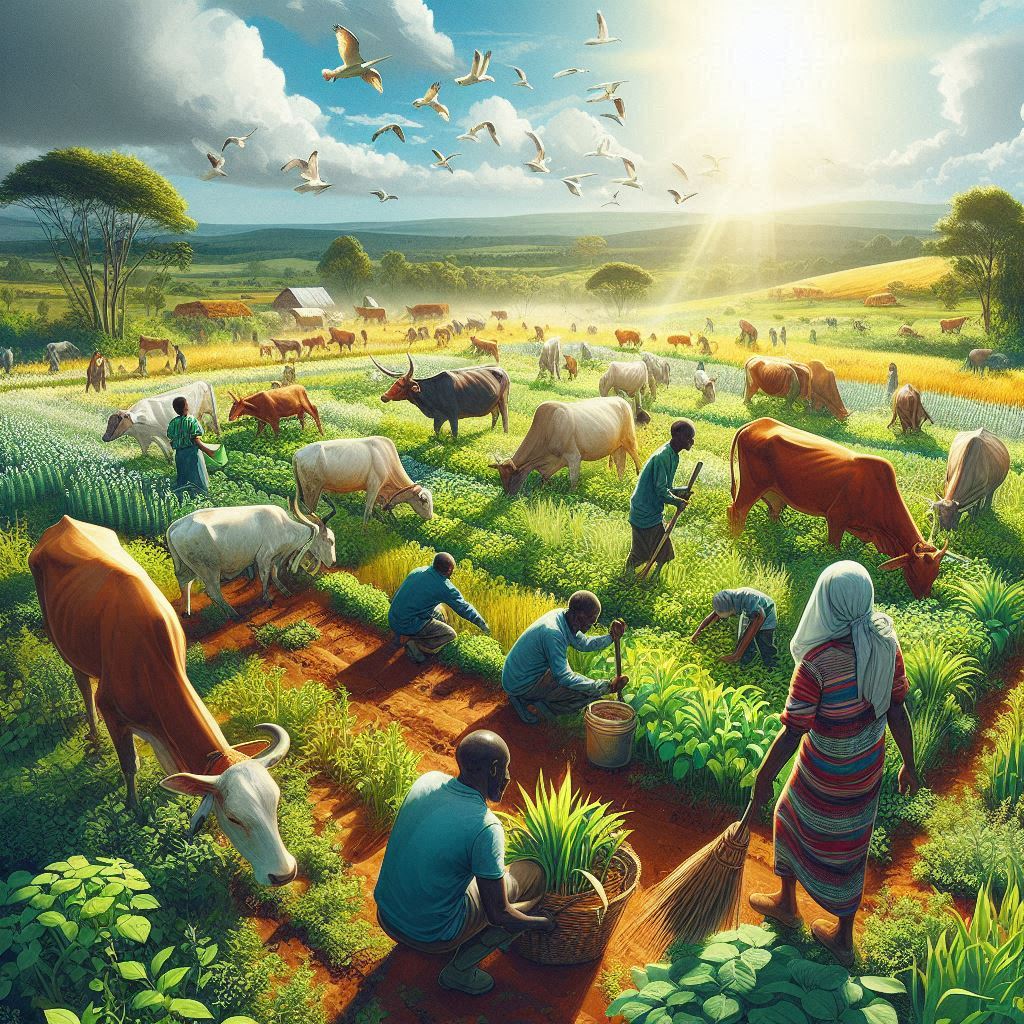
Organic livestock farming is gaining momentum globally, offering numerous benefits for farmers, consumers, and the environment. In Nigeria and across Africa, where agribusiness is a vital part of the economy, practicing organic livestock farming presents unique opportunities and challenges. This article explores the benefits, challenges, and market opportunities of organic livestock farming, providing valuable insights for farmers looking to make the switch.
1.Benefits of Organic Livestock Farming
i. Healthier Animals
Organic livestock farming emphasizes animal welfare, providing livestock with organic feed, ample space, and a natural environment. This approach reduces stress and the incidence of diseases, leading to healthier animals and higher-quality meat and dairy products. For instance, grass-fed cattle farms in South Africa, like Farmer Angus, prioritize animal health and welfare, resulting in premium organic beef products that command higher prices in the market. Also, organic dairy farms in Kenya, such as BioFood Products Ltd., produce milk free from synthetic hormones and antibiotics, appealing to health-conscious consumers.
iI. Environmental Sustainability
Organic farming practices are designed to be environmentally sustainable. By avoiding synthetic chemicals and using natural resources efficiently, organic livestock farming helps preserve ecosystems, reduce pollution, and combat climate change. The Makarere Organic Farm in Uganda employs organic methods to raise livestock, significantly reducing their environmental footprint and promoting biodiversity. Also. the Institute for Sustainable Development in Ethiopia supports organic livestock farming, demonstrating how these practices can restore soil health and enhance water conservation.
iII. Improved Market Access
The demand for organic products is rising globally, driven by health-conscious consumers willing to pay a premium for quality. By adopting organic livestock farming, African farmers can tap into lucrative local and international markets. Already, Organic Nigeria Farms exports organic livestock products to international markets, capitalizing on the growing demand for organic food. Ghana’s Eden Tree Ltd. supplies organic meat and dairy products to high-end retailers and restaurants, expanding market access for local farmers.
2. Challenges of Organic Livestock Farming
i. Higher Production Costs
Organic farming often involves higher production costs due to the need for organic feed, veterinary care, and certification processes. These costs can be a barrier for small-scale farmers. Organic livestock farmers in Tanzania for instance, face challenges with the high cost of organic feed and certification, making it difficult to compete with the conventional farms. Also in Senegal, and elsewhere in Africa. transitioning to organic livestock farming requires significant investment in infrastructure and training, posing financial challenges for many farmers.
iI. Limited Access to Organic Inputs
Finding reliable sources of organic feed, veterinary products, and other inputs can be challenging, particularly in regions where the organic supply chain is underdeveloped. In Kenya for instance, farmers still struggle to access certified organic feed and veterinary products, thus limiting their ability to maintain organic standards. In Nigeria,the organic input market in Nigeria is still emerging, and farmers often face difficulties sourcing high-quality organic inputs.
iII. Market and Consumer Awareness
While the demand for organic products is growing, many consumers in Africa are still unaware of the benefits of organic livestock products. Educating consumers and building market awareness are crucial for expanding the organic sector. In Uganda for examples, initiatives like the Organic Certification Ltd. work to raise awareness about organic products among consumers to help drive demand. Also, the South African Organic Sector Organization (SAOSO) promotes organic farming and educates consumers about the benefits of organic livestock products.
3. Market Opportunities
i. Local and Regional Markets
The rise of health-conscious consumers in urban centers across Africa presents a significant market opportunity for organic livestock products. Farmers can capitalize on this trend by marketing their products directly to consumers, restaurants, and retailers. In Nigeria, Farmers’ markets and organic food stores in Lagos and Abuja offer platforms for organic livestock farmers to reach local consumers. In Kenya, Nairobi’s organic food scene is growing, with retailers like Greenspoon Kenya offering organic meat and dairy products to health-conscious shoppers.
iI. Export Markets
Global demand for organic products continues to rise, offering export opportunities for African farmers. By meeting international organic standards, farmers can access premium markets in Europe, North America, and beyond. Ethiopian companies like GreenPath Food export organic livestock products to Europe, benefiting from high market prices. In Ghana too, Ghanaian organic farms, supported by organizations like the Ghana Organic Agriculture Network (GOAN), export organic meat and dairy products to international markets.
iII. Value-Added Products
Creating value-added products, such as organic cheese, yogurt, and processed meats, can enhance profitability and market appeal. Diversifying product offerings allows farmers to capture more value from their livestock. In South Africa, companies like Camphill Village West Coast produce organic dairy products, including cheese and yogurt, adding value to their organic milk. The organic dairy cooperatives in Kenya too are developing value-added products like yogurt and butter, catering to a growing market for organic foods.
Conclusion
Organic livestock farming offers numerous benefits, from healthier animals and environmental sustainability to improved market access. While challenges such as higher production costs and limited access to organic inputs exist, the growing demand for organic products presents significant market opportunities. For farmers in Nigeria and across Africa, embracing organic livestock farming can lead to a more sustainable and profitable future. By leveraging these opportunities and overcoming challenges, farmers can unlock the full potential of organic livestock farming.