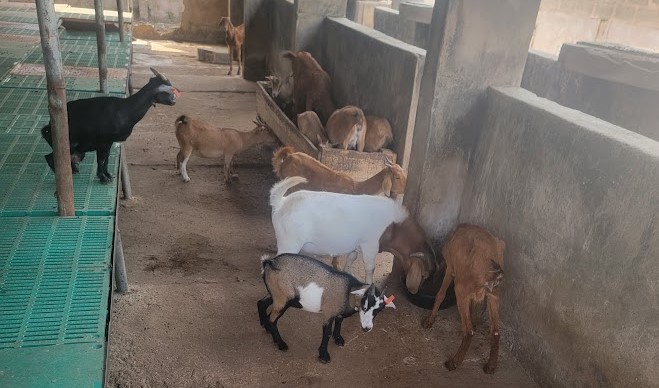
Goat farming is an excellent and highly profitable agribusiness venture, offering multiple opportunities across various components of the value chain. Whether you’re a small-scale farmer or an experienced entrepreneur, tapping into the full potential of the goat agribusiness can lead to remarkable financial success. This checklist for starting a successful goats agribusiness will guide you through the steps of setting up a goat farm while also exploring additional profitable avenues along the goat value chain.
1. Understand the Goat Value Chain
Before diving into the farming aspect, it is crucial to understand the full scope of the goat agribusiness. The goat value chain includes several components, each offering unique opportunities:
- Goat farming (breeding, fattening, and rearing)
- Processing of goat meat and milk
- Hides and skin processing for leather products
- Manure collection and sales for organic fertilizers
- Marketing and distribution of goat products
By exploring and understanding these components, you can develop a diversified business that caters to different market demands. This approach also enhances your ability to adapt to changing market trends and customer preferences.
2. Choose the Right Goat Breed and Niche in the Value Chain
The first step in starting a goat agribusiness is choosing the right goat breed that suits your farming goals and the market’s needs. Depending on your niche, select from popular goat breeds:
- Boer Goats: Best for meat production.
- Sahelian Goats: Ideal for milk production in arid regions.
- West African Dwarf Goats: Hardy and disease-resistant, perfect for small-scale farming.
- Kalahari Red: A great dual-purpose breed for both meat and milk.
Along with farming, explore specific niches within the goat value chain, such as:
a. Goat Meat Production
Goat meat, widely consumed across Nigeria and Africa, is a high-demand product. Focus on raising breeds like Boer and Kalahari Red for their superior meat yield. Processing goat meat into sausages, kebabs, or canned goods adds more value and opens additional revenue streams.
b. Goat Milk Production and Processing
Goat milk is in demand for its nutritional benefits. You can create a dairy business by processing milk into cheese, yogurt, butter, and even milk powder. This niche offers high-margin products that appeal to health-conscious consumers.
c. Hides and Skins for Leather
Goat hides are valuable raw materials for the leather industry. You can process hides into leather products like shoes, bags, and upholstery materials. This requires minimal investment in equipment and has great potential in markets that value high-quality leather goods.
d. Goat Manure for Organic Farming
With the increasing popularity of organic farming, goat manure can be a profitable business. It can be sold directly to farmers or processed into pelletized organic fertilizers, which are in high demand.
e. Live Goat Trading
In addition to farming, you can focus on buying and selling live goats. This can be especially profitable around religious or cultural festivals when goat demand spikes.
3. Develop a Comprehensive Business Plan
A solid business plan is essential to your success in the goat agribusiness. Consider the following elements when creating your plan:
- Farm Setup: Investment costs for land, infrastructure, and initial herd acquisition.
- Processing Equipment: Budget for necessary machinery to process meat, milk, or leather.
- Target Market: Identify buyers for your products, including retailers, wholesalers, butchers, or export markets.
- Profit Margins and ROI: Project your earnings and expenses, especially if you’re integrating multiple components of the value chain, like processing or manure sales.
A well-structured business plan provides direction and helps secure financing or grants from banks, investors, or government programs.
4. Create the Right Farm Environment and Infrastructure
Selecting suitable land and constructing appropriate housing for your goats is crucial for their health and productivity. Choose a location that offers:
- Adequate grazing land and water sources.
- Well-ventilated housing to keep goats protected from harsh weather and predators.
- Efficient waste management systems to collect manure for sale or use on your farm.
Goat pens should be spacious enough for your herd and include separate sections for kids, lactating does, and bucks. Ensure the environment is free from parasites and diseases to maintain healthy animals.
5. Invest in Goat Nutrition and Healthcare
Goat health and growth rely heavily on proper nutrition and healthcare management. Create a feeding plan that includes:
- Grazing and Forage: Provide ample access to quality pasture and browse plants.
- Supplements: Introduce grain or mineral supplements to support growth and milk production.
- Clean Water: Ensure goats have access to fresh water at all times.
In terms of healthcare:
- Vaccinations: Prevent common diseases like PPR (Peste des Petits Ruminants) and anthrax.
- Deworming and Hoof Care: Regular deworming and hoof trimming are essential for overall health.
- Veterinary Care: Establish a relationship with a veterinarian for routine check-ups.
Maintaining a healthy herd maximizes productivity and ensures high-quality products.
6. Build Strong Relationships Along the Value Chain
Success in the goat agribusiness hinges on collaboration. Build strong relationships with:
- Breeders: Purchase high-quality goats for breeding.
- Veterinarians: Ensure your herd remains healthy with regular check-ups.
- Processors: Partner with meat processors, dairy producers, or tanneries to add value to your products.
- Retailers: Create a steady demand by establishing contracts with butcheries, supermarkets, and restaurants.
Collaborating with other players along the value chain reduces risks and ensures a more profitable venture.
7. Leverage Technology and Innovation
Embrace technology to optimize farm operations and increase profitability:
- Farm Management Software: Use software to track herd performance, inventory, and expenses.
- Processing Equipment: Invest in modern equipment for meat grinding, milk pasteurizing, or leather tanning.
- E-Commerce: Utilize online platforms to market and sell goat products directly to customers.
Technology boosts productivity, reduces costs, and expands your reach to broader markets.
8. Marketing and Branding of Goat Products
Effective marketing and branding are essential for differentiating your products in the competitive goat agribusiness. Steps include:
- Branding: Develop a strong, recognizable brand that highlights the quality and sustainability of your products.
- Packaging: Use attractive, eco-friendly packaging for meat and dairy products.
- Digital Marketing: Utilize social media, websites, and local advertising to increase visibility and demand.
A well-branded product attracts loyal customers and allows you to charge premium prices.
9. Sustainability in Goat Farming
Incorporating sustainable practices not only helps the environment but also attracts a growing number of eco-conscious consumers. Sustainable practices include:
- Organic Fertilizers: Use goat manure to create organic fertilizer for your farm or sell it to other farmers.
- Water Conservation: Implement water-saving measures in processing and farm management.
- Renewable Energy: Consider using solar or wind energy to reduce operational costs.
Sustainability can be a selling point, especially in international markets that value ethical sourcing.
Conclusion
Starting a successful goat agribusiness involves more than just farming goats. By tapping into the full goat value chain, you can diversify your revenue streams and create a sustainable business. From selecting the right breed to adding value through processing, leather production, and manure sales, the opportunities are vast. Invest in your goat agribusiness today by following this comprehensive checklist, and you’ll be on your way to building a profitable and sustainable operation that can thrive in local and global markets.
Want more agribusiness tips? Visit agribusinessspace.com for actionable insights and strategies.