Introduction
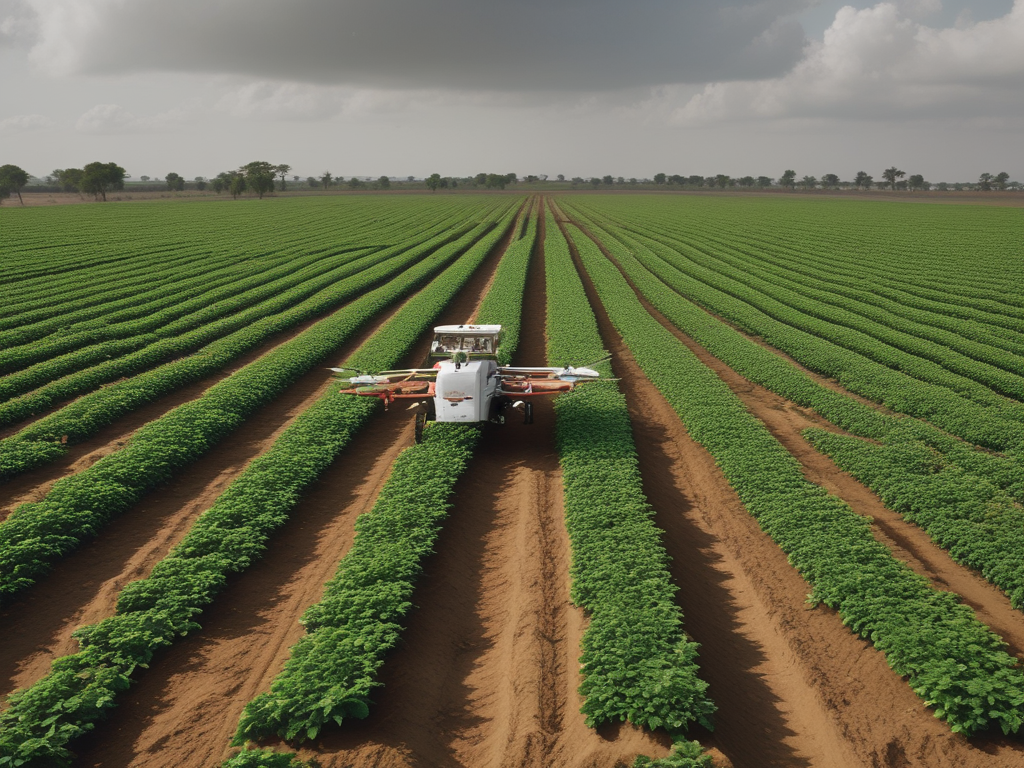
In the rapidly evolving world of agribusiness, precision agriculture stands out as a game-changer, revolutionizing the way farmers approach crop production and resource management. This innovative approach harnesses advanced technologies such as GPS guidance, drones, sensors, and data analytics to enhance efficiency and productivity. By providing real-time insights into soil conditions, weather patterns, and crop health, precision agriculture empowers farmers to make informed decisions that boost yields and reduce costs. In this Q&A article, we explore the myriad benefits of precision agriculture, with specific examples from across Africa, showcasing how this technology is transforming farming practices and contributing to food security and sustainability.
Q1: What is Precision Agriculture?
Answer: Precision agriculture, also known as precision farming, involves using advanced technologies to enhance crop yields and profitability while minimizing environmental impact. Technologies include GPS guidance, drones, sensors, and data analytics, allowing farmers to make informed decisions based on real-time data.
Q2: How does Precision Agriculture improve crop yield?
Answer: Precision agriculture optimizes input usage by providing detailed insights into soil conditions, weather patterns, and crop health. For instance, in Nigeria, the use of satellite imagery and soil sensors has enabled farmers to apply fertilizers and water precisely where needed, resulting in higher yields. This targeted approach reduces waste and maximizes the efficiency of resources.
Q3: Can Precision Agriculture help with cost savings?
Answer: Absolutely. By applying resources such as water, fertilizers, and pesticides more accurately, farmers reduce waste and lower costs. In Kenya, smallholder farmers using precision farming tools have reported a 20% reduction in input costs and a 15% increase in crop productivity. This dual benefit of saving money and boosting yields makes precision agriculture a highly appealing approach.
Q4: What environmental benefits does Precision Agriculture offer?
Answer: Precision agriculture minimizes the environmental footprint of farming by reducing over-application of chemicals and optimizing water usage. For example, in South Africa, precision irrigation systems have significantly reduced water consumption in vineyards, promoting sustainable farming practices. This technology ensures that water is only used when and where it is needed, conserving this vital resource.
Q5: How does Precision Agriculture enhance pest and disease management?
Answer: By using drones and sensors, farmers can monitor crops closely and detect early signs of pest infestations or disease outbreaks. This early detection allows for timely interventions, preventing widespread damage. In Ghana, cocoa farmers have successfully utilized drones to monitor their plantations, leading to a reduction in crop losses due to pests and diseases.
Q6: What role does data play in Precision Agriculture?
Answer: Data is at the heart of precision agriculture. Farmers collect and analyze data from various sources, such as weather stations, soil sensors, and satellite images, to make informed decisions. In Egypt, data-driven farming has led to a significant increase in wheat production by providing farmers with precise planting and harvesting times.
Q7: Is Precision Agriculture accessible to small-scale farmers?
Answer: Yes, precision agriculture is becoming increasingly accessible to small-scale farmers through affordable technology and collaborative initiatives. In Nigeria, initiatives like the E-wallet system for fertilizer distribution have helped smallholder farmers gain access to essential inputs and information, improving their productivity and profitability.
Q8: Can Precision Agriculture contribute to food security?
Answer: Yes, by increasing crop yields and reducing losses, precision agriculture plays a crucial role in enhancing food security. In Ethiopia, precision farming techniques have helped increase maize production, contributing to the country’s food self-sufficiency goals. By optimizing resource use and boosting productivity, precision agriculture helps ensure a stable food supply.
Q9: What are the challenges of implementing Precision Agriculture in Africa?
Answer: Challenges include high initial costs, lack of technical expertise, and limited access to technology. However, with increasing awareness and support from governments and NGOs, these barriers are gradually being overcome. For example, in Uganda, partnerships between local governments and international organizations have facilitated the adoption of precision farming technologies among smallholder farmers.
Conclusion
Precision agriculture offers numerous benefits, including increased crop yields, cost savings, environmental sustainability, enhanced pest and disease management, and improved food security. As technology becomes more accessible, even small-scale farmers in Nigeria and across Africa can leverage these innovations to boost their productivity and profitability. Investing in precision agriculture not only benefits individual farmers but also contributes to the broader goal of sustainable and secure food systems in Africa.
Precision agriculture is transforming the agribusiness landscape, offering promising solutions to some of the most pressing challenges faced by farmers today. As this technology continues to evolve, its adoption will likely increase, bringing widespread benefits to farmers and communities across Africa.


